Choosing the wrong motor can lead to unnecessary investment costs, poor performance, and unexpected problems during production.
For this reason, the following criteria should be carefully evaluated when selecting a servo motor.
1. Motor Power
First, the power required by the application should be determined. The weight of the load alone is not sufficient to make the right selection. The motion profile, acceleration, operating time, and mechanical structure of the system should also be taken into consideration.
2. Torque Requirements
When selecting a servo motor, it is important to consider not only the rated torque but also the maximum torque required, particularly during acceleration and deceleration.
3. Speed
The minimum and maximum speeds required by the machine should be determined. For high-speed applications, the motor's maximum speed and the torque it can deliver at that speed are particularly important.
4. Encoder and Feedback
The feedback system plays an important role in the precision of a servo system. Depending on the application requirements, the appropriate encoder type and resolution should be selected.
5. Servo Drive Compatibility
The motor and servo drive must be compatible with each other. Communication protocols, power ratings, control methods, and feedback connections should all be checked during the selection process.
6. Operating Environment
The environment in which the motor will operate is another important selection criterion. Factors such as dust, moisture, temperature, vibration, and continuous operation can all affect the choice of servo motor.
Servo Motor or Stepper Motor?
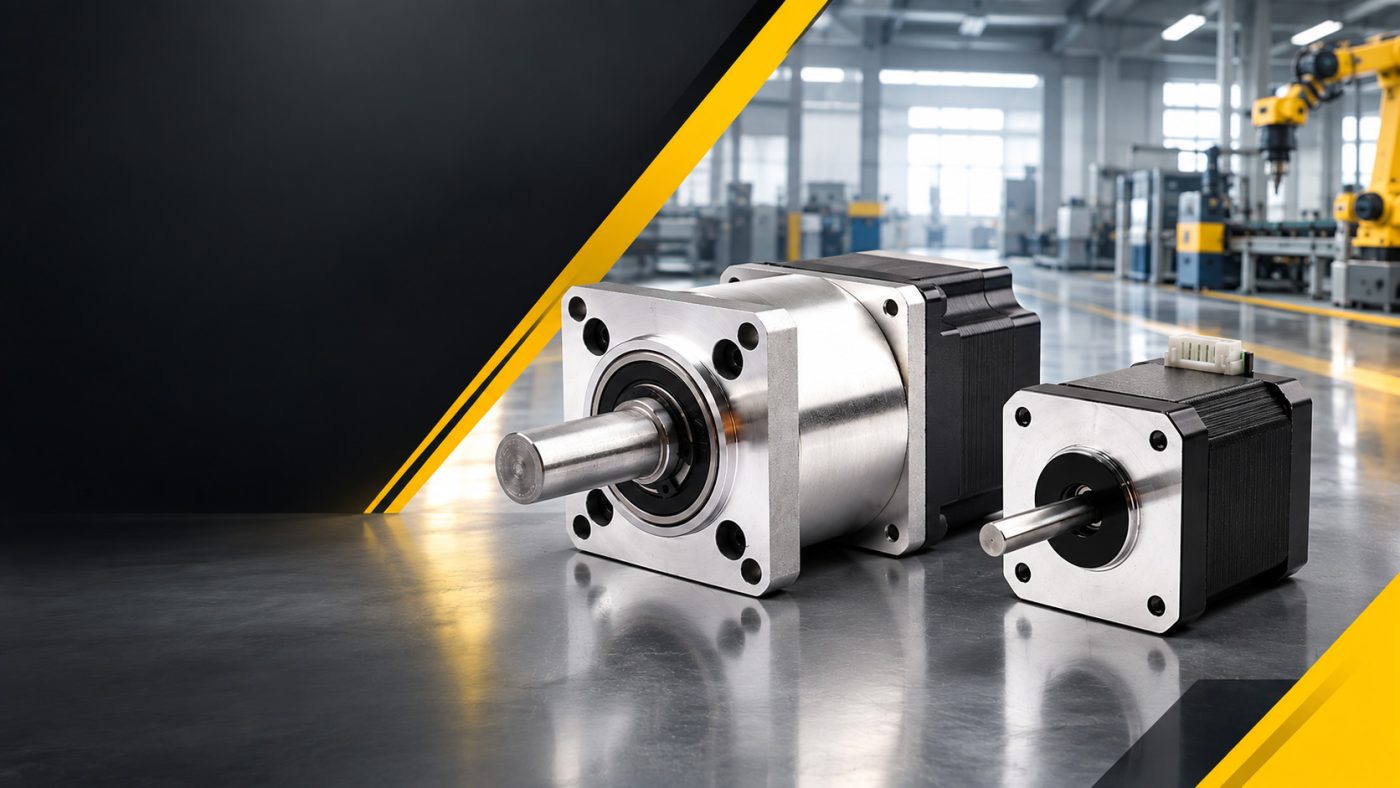
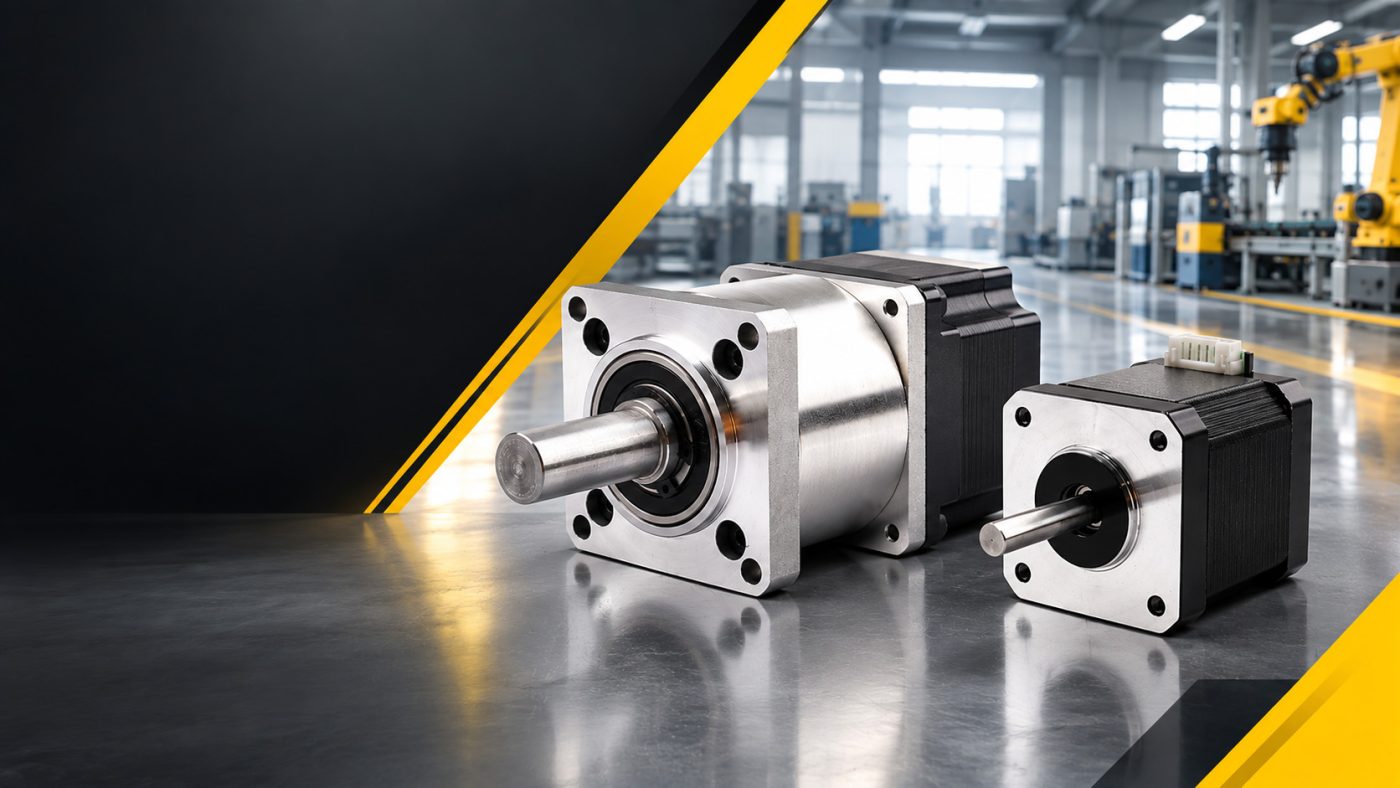
Stepper motors can be an economical and practical solution for certain applications. However, servo systems may be preferred for applications requiring high speed, precise positioning, dynamic motion, and variable loads.
The right choice should be based not only on the motor brand but primarily on the actual requirements of the application.